

It may seem strange, but frozen AC coils are a common problem during Louisiana’s hottest weather. When your air conditioner is working hard to fight extreme heat and humidity, certain issues can cause ice to form on the evaporator coil, stopping your system from cooling properly. Understanding what causes frozen AC coils in hot weather can help you prevent damage and know when to call a professional.
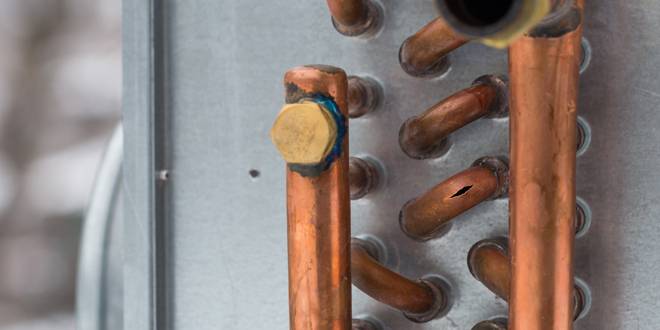
Why AC Coils Freeze Even When It’s Hot Outside
Your AC’s evaporator coil is designed to absorb heat from indoor air. For this process to work correctly, the coil must stay within a specific temperature range. When airflow or refrigerant levels are off, the coil can get too cold and freeze—regardless of outdoor temperature.
Once ice forms, airflow drops even further, creating a cycle that leads to poor cooling and potential system damage.
Restricted Airflow Is the Most Common Cause
Dirty or Clogged Air Filters
When air filters are clogged, less warm air passes over the coil. Without enough heat being absorbed, the coil temperature drops and ice forms.
Replacing filters regularly and scheduling routine AC maintenance helps prevent this issue.
Blocked or Closed Vents
Closed supply vents, blocked returns, or furniture covering vents can all restrict airflow, increasing the risk of frozen coils.
Low Refrigerant Levels
Why Low Refrigerant Causes Freezing
Refrigerant pressure directly affects coil temperature. When levels are low—usually due to a leak—the pressure drops, causing the coil to become excessively cold and freeze.
Low refrigerant requires professional AC repair to locate leaks and restore proper system charge.
Dirty Evaporator Coils
Dust and debris on the evaporator coil act as insulation, preventing proper heat absorption. This can cause uneven cooling on the coil surface and lead to ice buildup.
Professional air conditioning service in Hammond LA includes coil cleaning to restore normal operation.
Blower or Fan Problems
If the blower motor isn’t moving enough air across the coil, freezing can occur. Worn motors, failing capacitors, or loose belts can all reduce airflow without completely stopping the system.
These issues are common during peak heat when components are under heavy strain.
Thermostat or Control Issues
Incorrect thermostat settings or malfunctioning controls can cause the AC to run continuously without cycling properly. Extended runtime combined with airflow issues increases the chance of coil freezing.
A professional inspection ensures the system cycles correctly and safely.
What to Do If You Notice Frozen AC Coils
If you see ice on refrigerant lines or around the indoor unit:
- Turn the AC off immediately
- Set the fan to “On” to help thaw the ice
- Check and replace the air filter
- Allow the system to fully thaw before restarting
If the coil freezes again, stop running the system and call for professional service to prevent compressor damage.
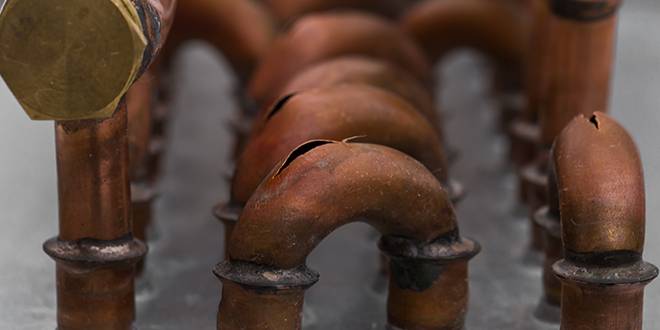
Frozen Coils Can Lead to Bigger Problems
Running your AC with frozen coils can cause serious damage, including compressor failure. It also leads to poor cooling, high energy bills, and increased humidity indoors.
If freezing happens repeatedly, it may point to deeper airflow or system issues—or equipment that’s no longer operating efficiently.
Prevent Frozen AC Coils With Professional Care
Regular maintenance is the best defense against frozen coils. Clean components, proper refrigerant levels, and strong airflow help your AC handle Louisiana heat without freezing up.
If your system continues to freeze or struggle during hot weather, a professional evaluation can determine whether repair or AC installation is the best long-term solution. Contact Nick’s Heating & Air Conditioning today to schedule service and keep your AC running safely and efficiently.